 MedSmile
Services
Services
Treatment provided at the clinic across the following disciplines.
 01
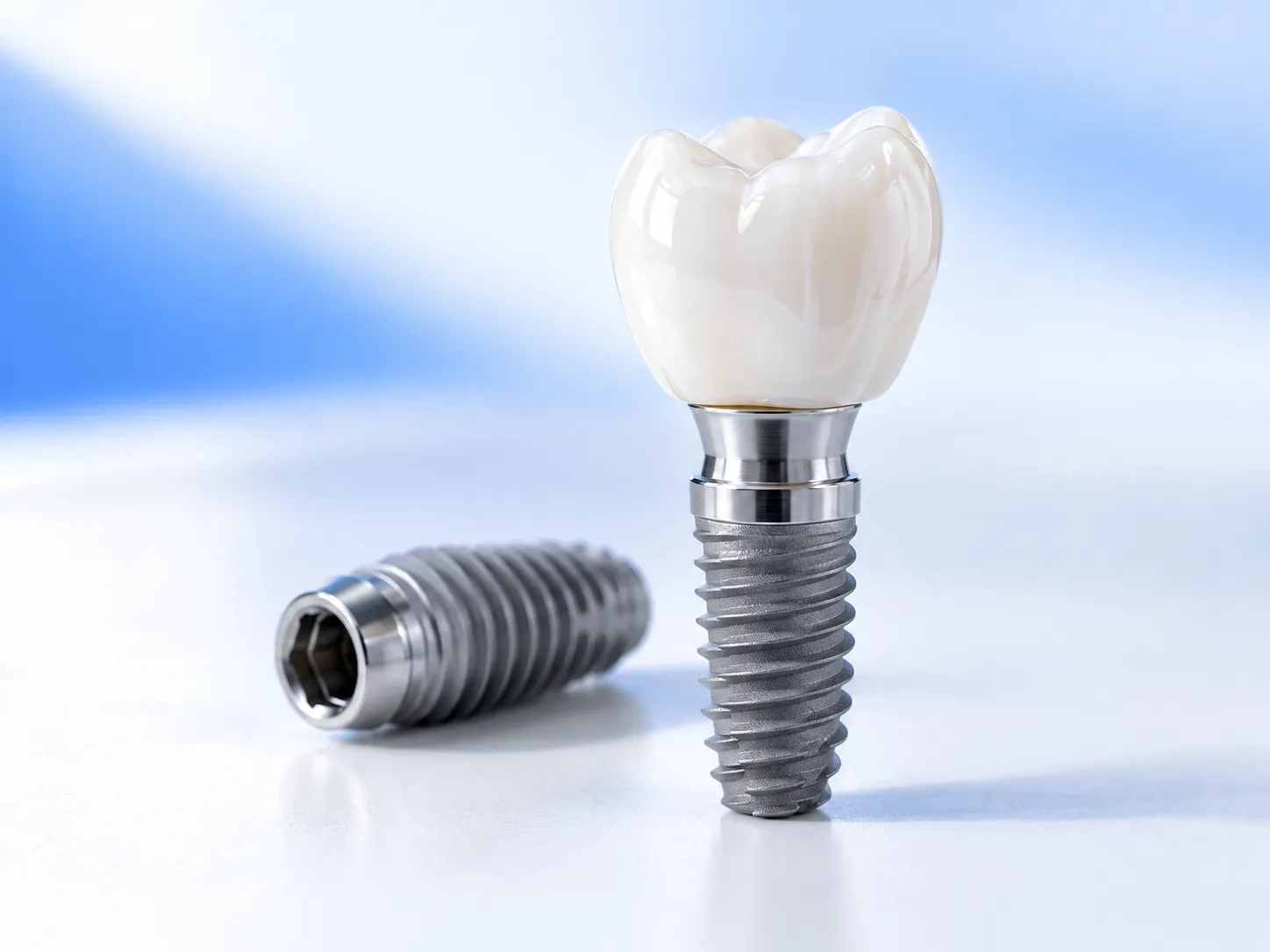
01Dental implants
Replacing a lost tooth with a titanium implant
Read more → 02
02Maxillofacial surgery
Surgical treatment of the jaw and face
Read more →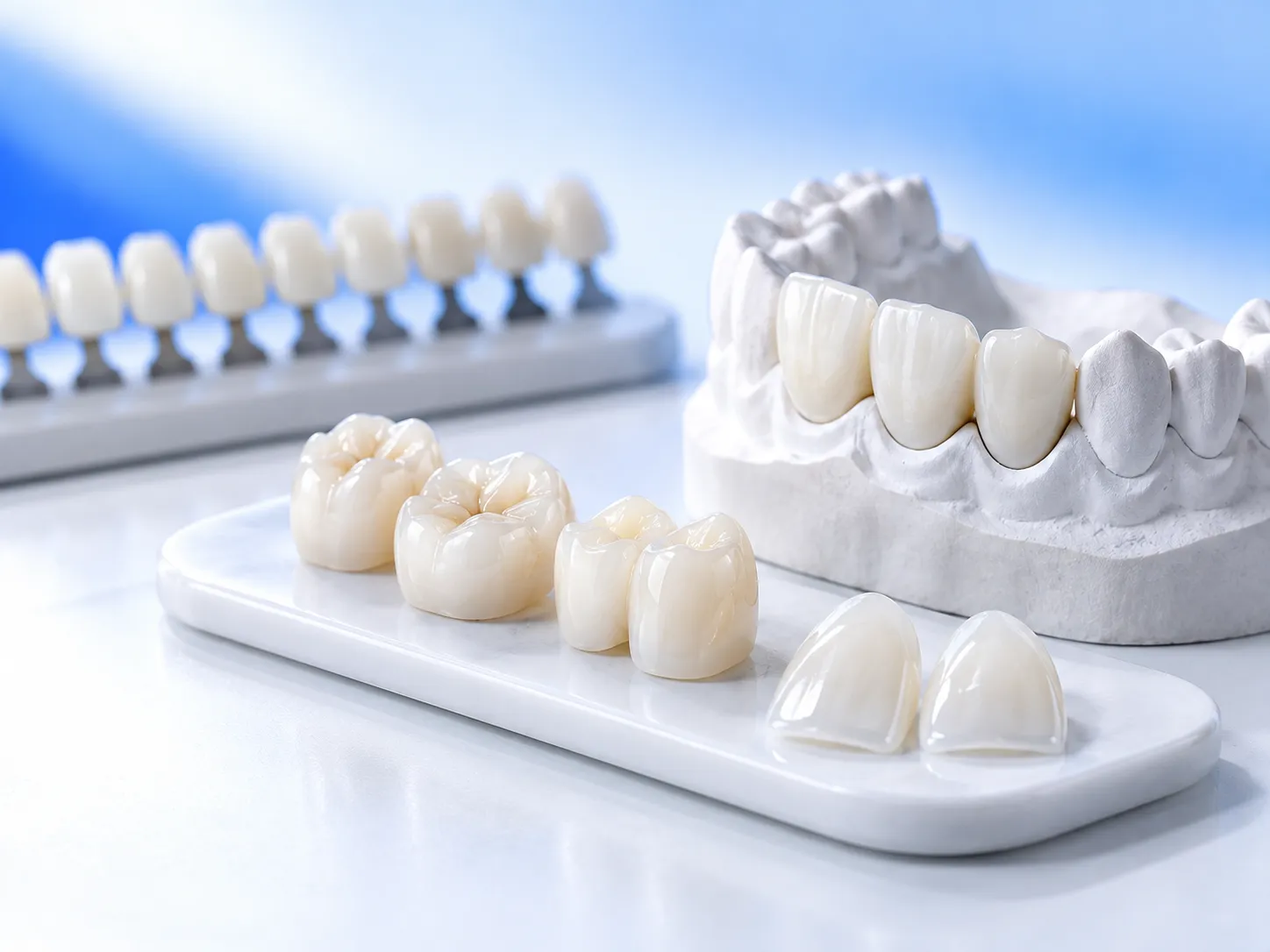 03
03Prosthodontics
Zirconia, zirconia-ceramic, veneers, metal-ceramic, pressed ceramic, E-MAX, removable prosthetic constructions
Read more →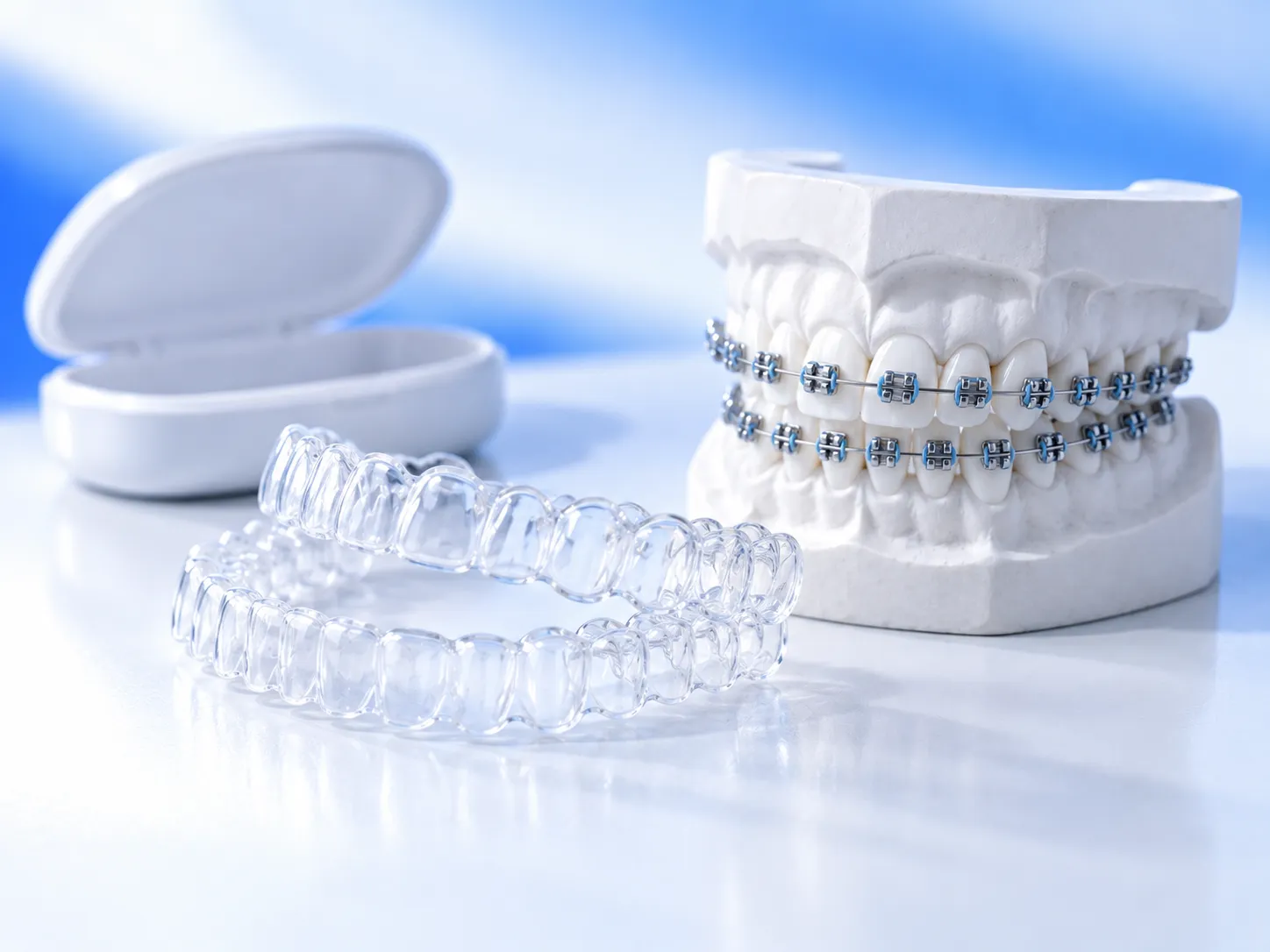 04
04Orthodontics
Braces and clear aligners
Read more →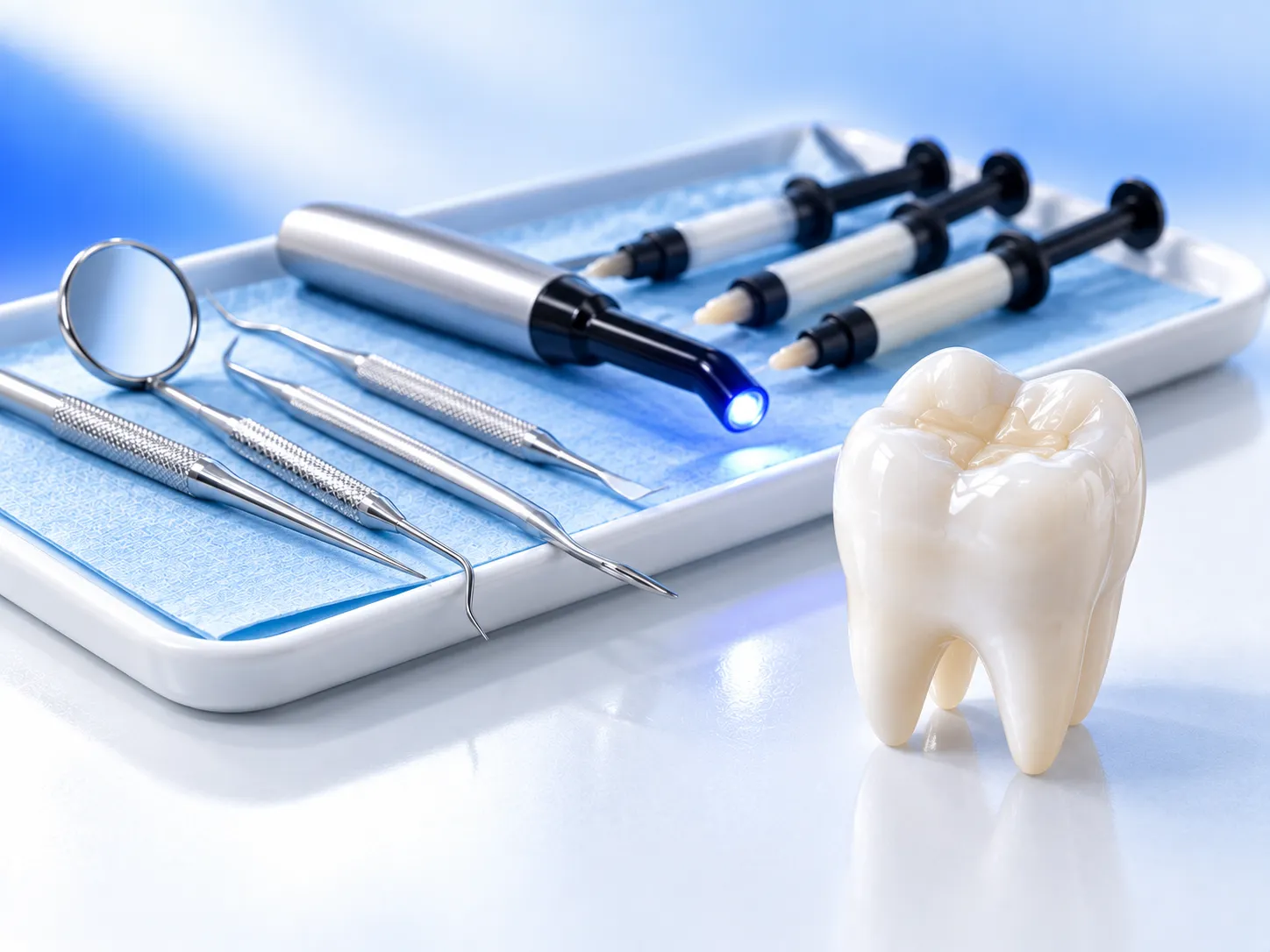 05
05Therapeutic dentistry
Fillings and dental treatment
Read more →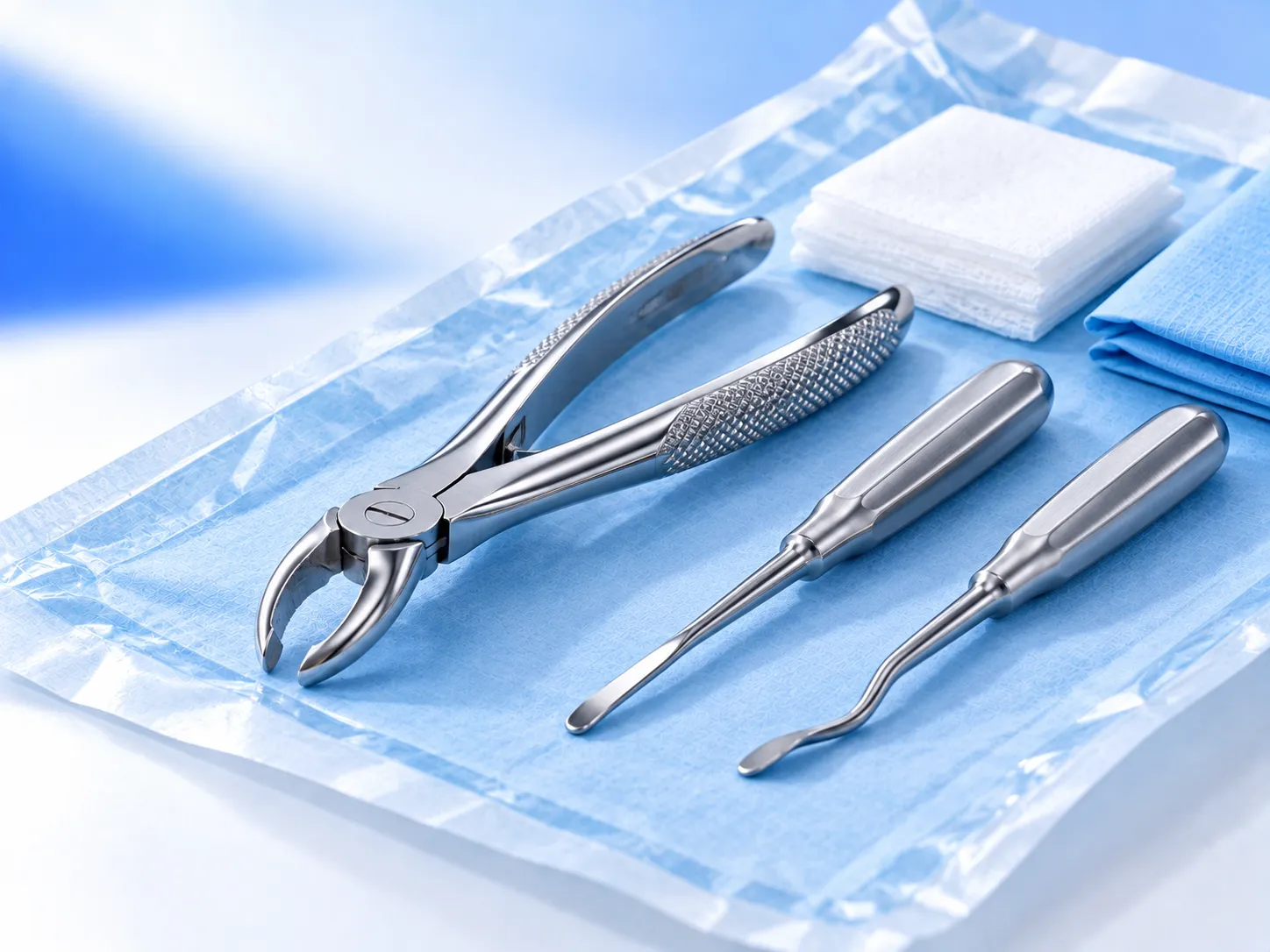 06
06Dental surgery
Tooth extraction
 07
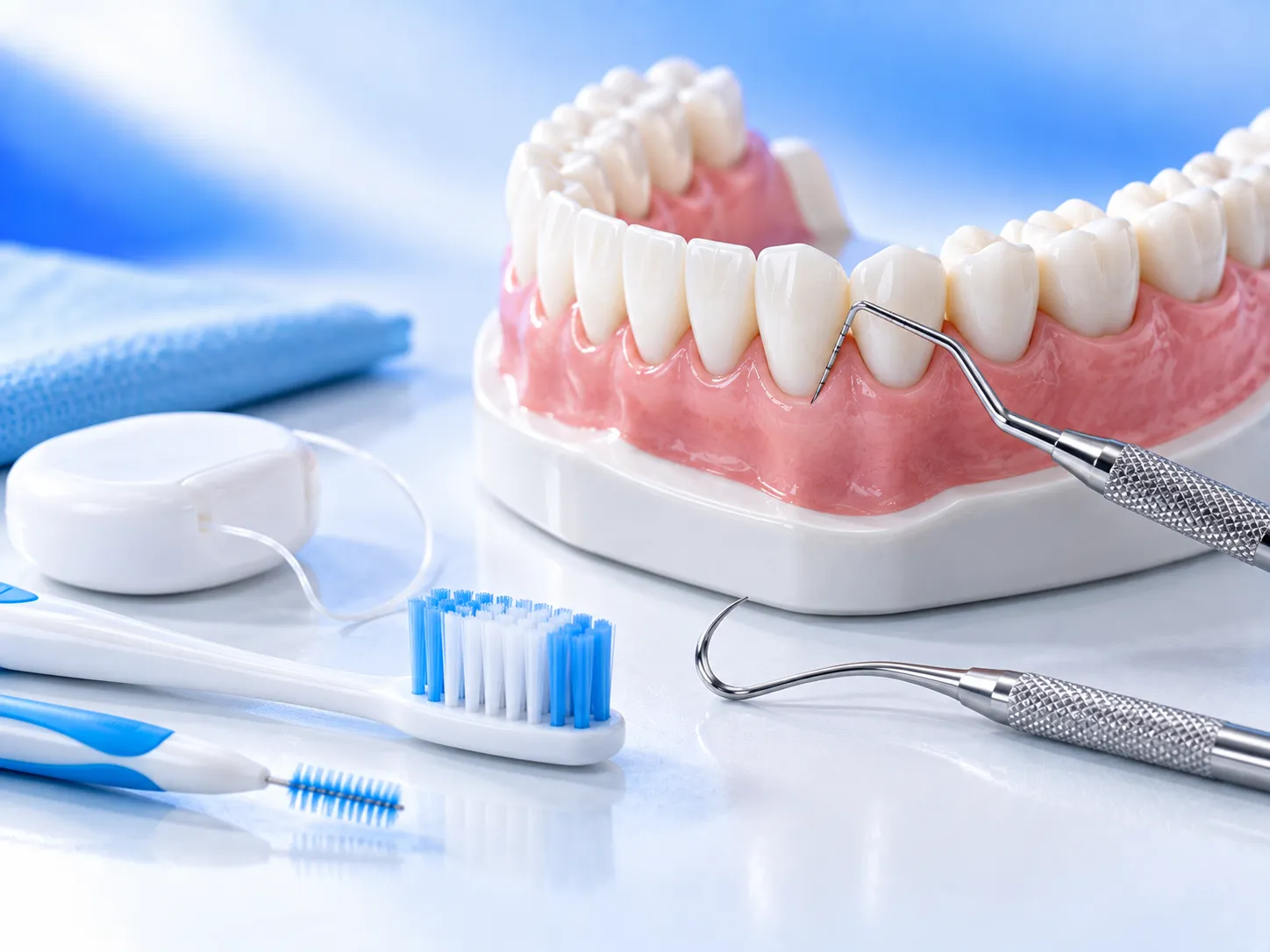
07Periodontology
Treatment of the gums
Read more → 08
08Paediatric dentistry
Care for children
Read more →
Procedures
The full list
Disciplines with a page of their own carry their list there. The rest are listed in full here.
Therapeutic dentistry
29 procedures
Caries and restoration
- Treatment of caries
- Removing decayed tissue and rebuilding the shape and function of the tooth with modern filling materials.
- Aesthetic fillings
- Restoring colour and shape as naturally as possible, in high-quality composite.
- Artistic restoration
- Rebuilding a damaged, fractured, worn or misshapen tooth in composite, for both looks and function.
- Aesthetic work on front teeth
- Correcting the shape, colour, size and small defects of front teeth by direct restoration.
- Repair of a fractured tooth
- Rebuilding the lost part of a tooth after injury or other damage.
- Replacing old fillings
- Replacing a failed, worn or mismatched old filling with a new restoration.
- Treating sensitivity
- Finding the cause of sensitivity to cold, heat, sweetness or touch, and treating it.
Root canal treatment
- Pulpitis
- Treating inflammation of the nerve by modern root canal methods.
- Apical periodontitis
- Diagnosis and root canal treatment of inflammation around the tip of the root.
- Root canal treatment
- Cleaning, shaping, disinfecting and sealing infected or damaged root canals.
- Root canal retreatment
- Correcting earlier root canal work that was incomplete or has since failed, and re-treating the canals.
- Removing old canal filling
- Removing old filling material from the canal so it can be re-treated.
- Temporary filling
- Sealing the tooth temporarily between stages of treatment.
- Core build-up
- Rebuilding the crown portion of a badly damaged tooth so it can carry a crown or other restoration.
- Colour correction
- Improving the colour of a tooth by whichever therapeutic or aesthetic method suits it.
Professional hygiene
- Professional cleaning
- Removing plaque and calculus by professional methods.
- 3-stage professional clean
- Removing calculus and soft plaque, then working and polishing the tooth surfaces.
- Air-flow cleaning
- Removing staining and soft plaque with a powder-and-air system.
- Ultrasonic cleaning
- Removing calculus and hard deposits with an ultrasonic scaler.
- Polishing
- Smoothing and polishing the surfaces after cleaning, so plaque returns more slowly.
Whitening
- Professional whitening
- Improving tooth colour in the clinic, using professional whitening systems.
- Zoom whitening
- Whitening with the Zoom system, after the appropriate clinical assessment.
- Opalescence Boost whitening
- Whitening with a chemically activated system, according to the individual case.
- Tray whitening
- Custom trays made for the patient, with whitening gel used as the dentist directs.
Prevention
- Fissure sealing
- Sealing the deep grooves of the biting surface to help prevent decay.
- Fluoride application
- Strengthening the enamel and lowering the risk of decay with professional fluoride.
- Enamel remineralisation
- Restoring the mineral content of enamel and reducing sensitivity.
- Individual hygiene advice
- Choosing the right brush, paste, floss, irrigator and other aids for the individual patient.
- Consultation
- Assessment, the necessary diagnostics, and an individual treatment plan.
Periodontology
33 procedures
Assessment
- Periodontal consultation
- Assessment of the gums, the teeth and the tissue around them, and an individual treatment plan.
- Periodontal diagnostics
- Recording gum condition, pocket depths, bleeding, tooth mobility and the state of the bone.
Treating inflammation
- Gingivitis
- Treating inflamed, swollen, red or bleeding gums, addressing what caused it.
- Periodontitis
- Comprehensive treatment of inflammatory damage to the supporting tissues and bone.
- Bleeding gums
- Establishing why the gums bleed and treating that cause.
Cleaning
- Professional periodontal cleaning
- Removing deposits above and below the gum line to improve periodontal health.
- Subgingival cleaning
- Removing hard and soft deposits from the pockets with dedicated instruments.
- Scaling and root planing
- Removing plaque, calculus and infected tissue from the root surface, and smoothing it.
- Deep periodontal cleaning
- Working through deep pockets in stages, to reduce inflammation and bacterial load.
Treating pockets
- Periodontal pocket treatment
- Cleaning and treating the pockets that form between gum and tooth, according to their depth and condition.
- Curettage
- Removing diseased tissue and infected deposits from the pocket, where indicated.
- Open curettage
- Surgical treatment of deep damage, for better access to the affected area.
- Closed curettage
- Non-surgical or minimally invasive treatment of the pockets, as the case indicates.
Gum surgery
- Gum recession
- Assessing an exposed root where the gum has receded, and treating it as needed.
- Gum surgery
- Correcting the shape, volume and contour of the gum, for function or appearance.
- Gum graft
- Building up the gum where soft tissue is lacking, and covering the exposed root.
- Soft-tissue augmentation
- Increasing gum volume with natural or synthetic material, particularly around implants and aesthetic work.
- Crown lengthening
- Exposing more of the crown by reshaping the gum, and the bone where necessary.
- Gingivectomy
- Surgical removal of excess or diseased gum tissue.
- Gingivoplasty
- Reshaping the gum contour for a better aesthetic and functional result.
- Aesthetic gum correction
- Improving the smile line, gum symmetry and contour, planned for the individual.
Regeneration
- Regenerative periodontal treatment
- Surgical methods that help damaged bone and periodontal tissue rebuild, where indicated.
- Guided tissue regeneration
- Using barrier membranes and regenerative materials to rebuild lost periodontal tissue.
- Treating bone defects
- Surgical and regenerative management of local bone defects caused by periodontitis.
Loose teeth
- Assessing and treating mobility
- Assessing how stable loose teeth are, and planning treatment to keep them.
- Splinting
- Stabilising loose teeth to one another with a splint.
Around implants
- Peri-implant maintenance
- Preventive monitoring of the gum and bone around implants.
- Peri-implant mucositis
- Early treatment of inflammation in the soft tissue around an implant.
- Peri-implantitis
- Comprehensive treatment of inflammation and bone loss around an implant.
- Soft-tissue surgery around an implant
- Improving gum volume and contour around an implant, for hygiene and appearance.
Aftercare
- Follow-up
- Reviewing the result regularly, and preventing the disease from returning.
- Supportive periodontal therapy
- Professional care, cleaning and monitoring at intervals set for the individual.
- Individual hygiene instruction
- Teaching brushing technique, and the use of interdental brushes, floss and other aids.
Paediatric dentistry
32 procedures
Assessment
- Paediatric consultation
- Assessment of the child's teeth, gums, bite and mouth overall, and an individual treatment plan.
- Check-ups
- Catching decay, gum inflammation and other problems early, at regular check-ups.
Caries and restoration
- Decay in baby teeth
- Treating and restoring decayed baby teeth with materials suited to them.
- Decay in adult teeth
- Treating decay in children's and teenagers' permanent teeth, keeping as much natural tooth as possible.
- Aesthetic fillings for children
- Restoring shape and function in modern tooth-coloured materials.
Nerve treatment
- Pulp treatment in a baby tooth
- Treating a damaged or inflamed nerve in a baby tooth, in order to keep it, where indicated.
- Pulpotomy
- Removing the damaged coronal part of the pulp and keeping the healthy tissue below.
- Pulpectomy
- Removing the infected pulp entirely and treating the canals of the baby tooth, as indicated.
- Root canals in a baby tooth
- Cleaning, treating and filling the infected canals of a baby tooth.
- Root canals in a permanent tooth
- Treating disease of the nerve and canals in children's and teenagers' permanent teeth.
Extractions
- Extracting a baby tooth
- Safely removing a baby tooth that is due to come out, badly damaged, or beyond treatment.
- Extracting a permanent tooth
- Removing a permanent tooth that is damaged or must come out for another reason, where indicated.
Prevention
- Fissure sealing
- Sealing the deep grooves of the back teeth to lower the risk of decay.
- Fluoride application
- Strengthening enamel and preventing decay with professional fluoride.
- Remineralisation
- Helping weakened enamel recover, and managing early demineralisation.
- Professional cleaning for children
- Removing soft plaque and staining, by methods suited to the child's age and condition.
- Teaching oral hygiene
- Showing child and parent how to brush properly, and which aids suit the child's age.
- Preventing decay
- Assessing the individual child's risk and planning how to prevent decay.
- Early childhood caries
- Assessing, treating and then monitoring the fast-moving decay seen in very young children.
Injuries
- Treating a dental injury
- Assessing and treating baby and permanent teeth that have been fractured, displaced or otherwise damaged by a knock.
- Rebuilding a fractured tooth
- Rebuilding the part of the tooth lost in an injury, for both looks and function.
- Checking mobility after injury
- Assessing the injured tooth, then stabilising it or monitoring it as needed.
- Splinting
- Temporarily stabilising a permanent tooth loosened by injury, where indicated.
Development
- Monitoring eruption
- Checking that baby and permanent teeth are coming through in the right order and at the right time.
- Delayed eruption
- Establishing why a tooth is late, and arranging specialist treatment where needed.
- Space maintainer
- Holding the space for the permanent tooth when a baby tooth is lost too early.
- Assessing habits
- Assessing how thumb-sucking, prolonged dummy use, mouth breathing and similar habits are affecting the teeth and jaws.
- Timely orthodontic referral
- Spotting early signs of a developing bite or jaw problem, and arranging an orthodontic opinion.
Gums and soft tissue
- Gum problems in children
- Assessing and treating red, swollen or bleeding gums.
- Stomatitis and mucosal problems
- Clinical assessment and management of ulcers, irritation and other changes to the lining of the mouth.
Working with the child
- Settling the child in
- Introducing the child gradually to the surgery and to treatment, so the first visits are not frightening.
- Regular visits
- Periodic review of development, hygiene, and the treatment already carried out.